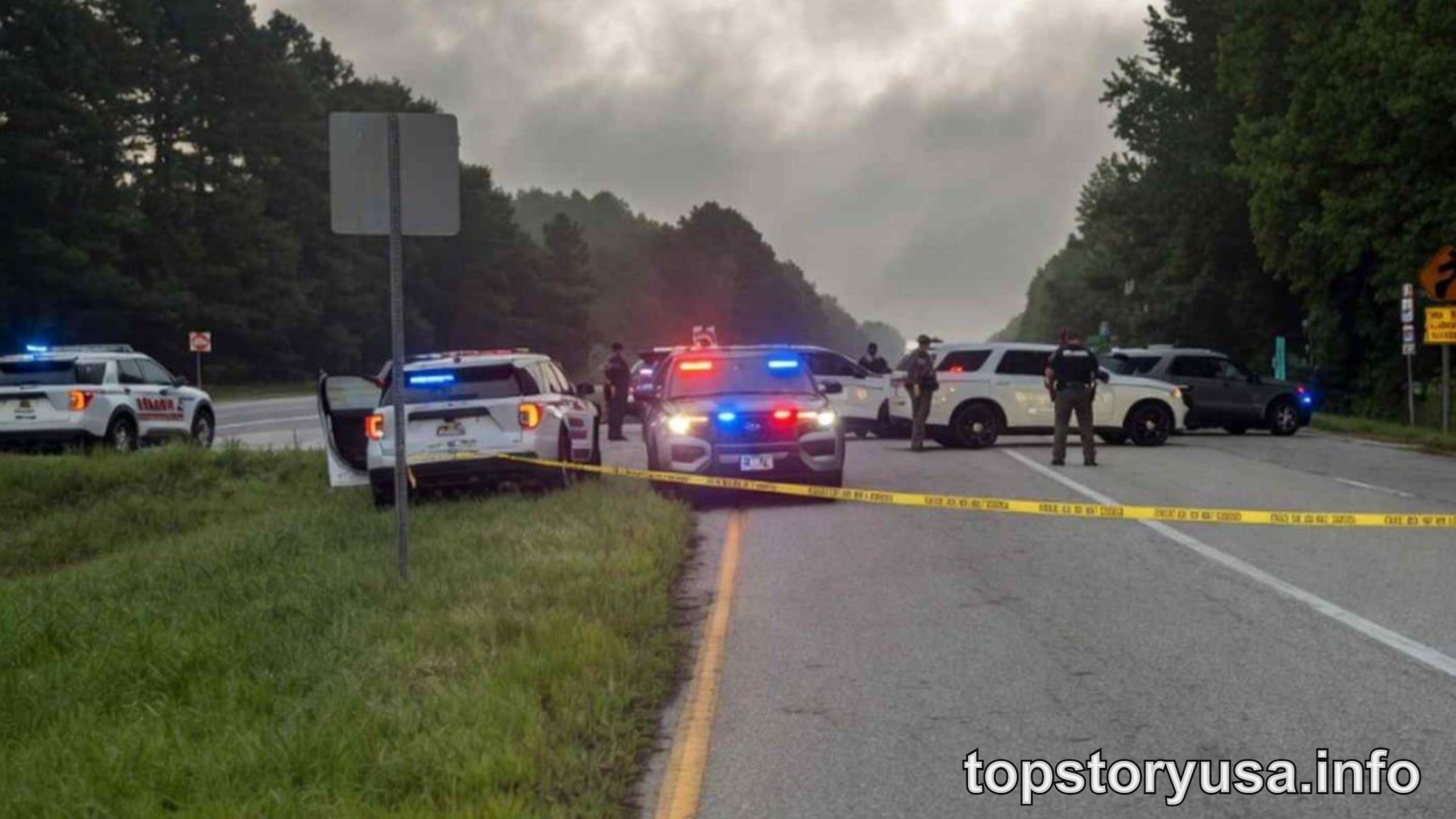
A heightened federal law enforcement operation in Washington DC has divided residents between those who report feeling safer and civil rights advocates concerned about oversight and community impact.
The expanded federal presence in the nation’s capital has prompted residents and officials to weigh public safety gains against potential concerns about accountability and civil liberties. The operation has sparked debate about the proper balance between federal authority and local governance in a city with a unique constitutional status.
Community Support and Safety Concerns
Some residents and supporters credit the increased patrols with improving neighborhood safety. “A stronger federal response was needed,” supporters stated, pointing to visible law enforcement presence and reported reductions in criminal activity in certain areas.
Residents citing benefits from the operation have emphasized the importance of federal involvement in addressing public safety challenges. The visible patrols have become a focal point for those advocating for more aggressive enforcement strategies.
Civil Rights and Oversight Questions
Civil rights organizations and community advocates have raised alarms about the operation’s potential impact on immigrant communities and vulnerable populations. These groups warn that expanded federal enforcement could increase anxiety and create uncertainty about residents’ rights and protections.
Residents have also expressed confusion about which agencies are leading specific operations and how federal efforts coordinate with local authorities. The lack of transparency has fueled concerns about accountability mechanisms and oversight of federal activities in the city.
Constitutional Tensions in Washington DC
Washington DC occupies an unusual position within America’s federal system, with Congress maintaining significant constitutional authority even as the city has an elected local government. Legal experts note that debates over federal involvement have consistently centered on public safety, home rule, and the division of power between federal and local authorities.
As operations continue, officials and residents remain focused on monitoring both crime statistics and the constitutional implications of increased federal presence. The discussion now encompasses community confidence, civil liberties protections, and the extent to which federal authority should operate within the city’s boundaries.